
Does PRP Hair Restoration Work in Chicago, Illinois?

19
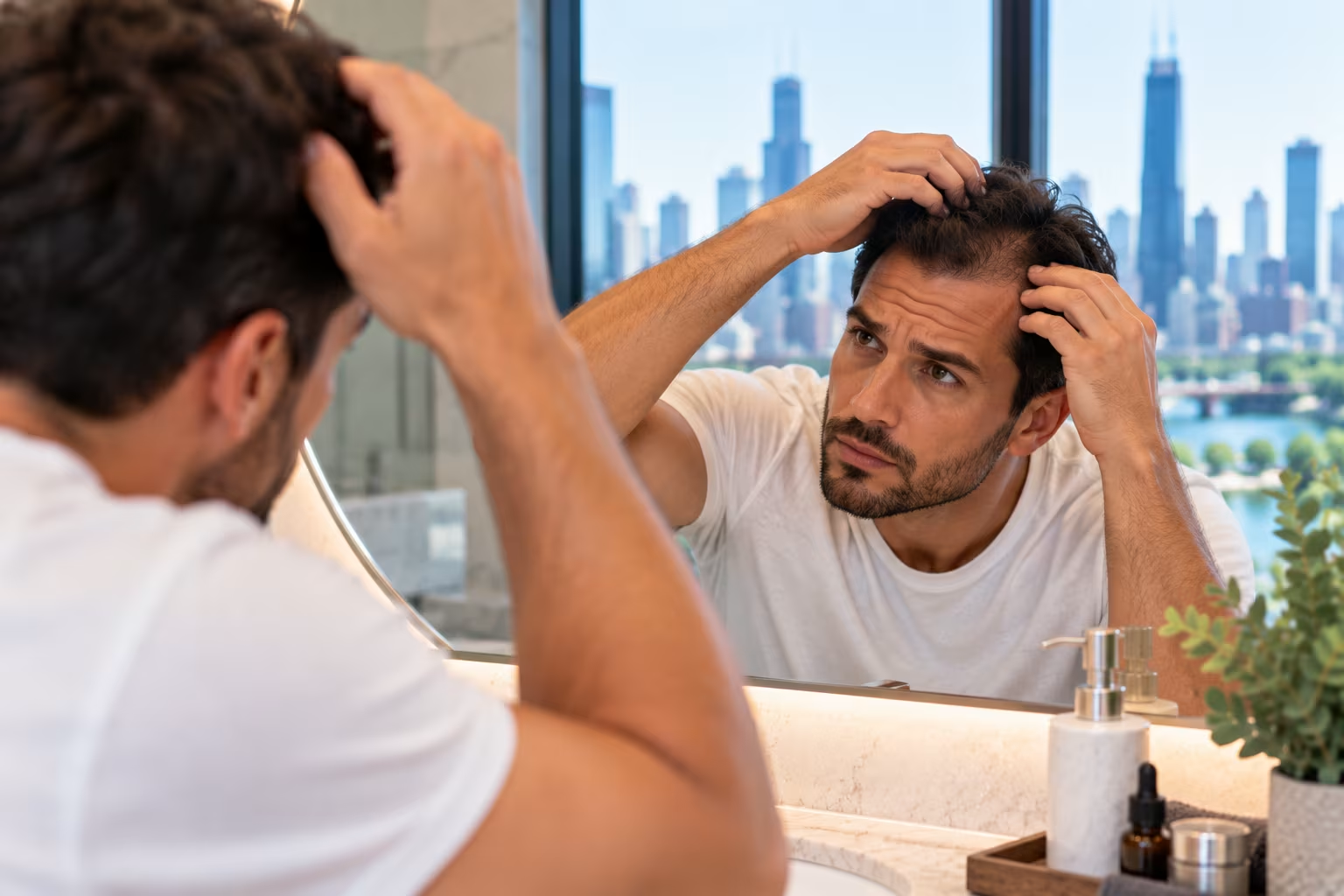
If you have started noticing more hair in your brush, a widening part, or a hairline that seems to be quietly retreating, you are far from alone. Hair thinning affects millions of men and women, often well before they expect it, and it tends to show up right when career and confidence matter most. For busy professionals across Chicago and the South Loop, that timing is rarely convenient.
The good news is that hair loss in its early and moderate stages often responds well to treatment, and you do not need to jump straight to surgery to see results. PRP hair restoration has become one of the most talked about non-surgical options for people who want denser, healthier looking hair without an operating room, stitches, or weeks of recovery. Updated for this month and year, here is a closer look at what causes hair thinning, how PRP works, and who tends to benefit most from it.
What Is Your Hair Actually Telling You?
Hair loss rarely happens overnight. It usually starts with small, easy to dismiss signs that build over months or years.
Early Signs of Thinning Hair
Some of the most common early indicators include a part that looks wider than it used to, a hairline that has shifted slightly higher, more visible scalp under bright light or in photos, and hair that feels finer or less full than it once did. Many people also notice more shedding in the shower or on their pillow, especially during stressful seasons of life.
What Causes Hair Thinning in the First Place
Hair thinning has several possible causes, and they are not always the same for men and women. Genetics play a major role in androgenetic alopecia, the most common form of pattern hair loss. Hormonal shifts, including those related to thyroid function, pregnancy, or menopause, can also trigger noticeable shedding. Chronic stress, crash dieting, certain medications, and nutritional deficiencies are frequent contributors as well. In many cases, thinning is the result of more than one factor working together, which is why a proper evaluation matters before starting any treatment.
When Should You See a Professional About Hair Loss?
It is worth scheduling a consultation if thinning is progressing quickly, if you notice patchy or uneven hair loss, if over the counter products have not made a difference after several months, or if hair loss is affecting your confidence day to day. Early intervention tends to produce better long term results, since PRP and similar treatments work best on hair follicles that are still active rather than ones that have been dormant for years.
What Is PRP Hair Restoration?
PRP hair restoration, short for platelet rich plasma, is a treatment that uses a concentrated portion of your own blood to help stimulate hair follicles. A small blood sample is drawn and processed in a centrifuge to separate the platelet rich plasma from the rest of the blood. That plasma, which is naturally rich in growth factors, is then injected into areas of the scalp where thinning is most noticeable.
The idea behind the treatment is fairly straightforward. Growth factors in platelet rich plasma are believed to support the natural hair growth cycle, encourage circulation around the follicle, and help extend the growth phase of existing hair. Because the plasma comes from your own body, there is no risk of an allergic reaction to a foreign substance, which is part of why the treatment has become so popular among people who want a more natural approach to hair restoration.
How the Treatment Process Works
A typical session takes well under an hour. After the blood draw and processing, the scalp is treated with a topical numbing option to keep the injections comfortable, and the plasma is then delivered to the treatment areas using a fine needle. Most people describe mild discomfort at most, and there is little to no visible downtime, which means you can usually return to work or your regular schedule the same day.
Who Is a Good Candidate for PRP Hair Restoration?
PRP tends to work best for people in the earlier to moderate stages of hair thinning who still have active follicles in the treatment area. It is commonly used for androgenetic alopecia in both men and women, as well as for general thinning related to hormonal changes or stress. It is not typically the right fit for areas that have been completely bald for an extended period, since the treatment relies on follicles that still have some ability to produce hair. A consultation is the best way to determine whether your hair loss pattern is a good match for PRP or whether a different approach makes more sense for your goals.
What to Expect During Recovery
One of the main reasons PRP has become so popular is how little it disrupts daily life. Most people notice mild redness or tenderness at the injection sites for a day or two, similar to a minor scalp irritation. There is no incision, no bandaging, and no real recovery period to plan around. Results are gradual rather than immediate, since the treatment works by supporting the hair's natural growth cycle. Many people begin noticing less shedding and improved thickness over the following months, with a series of sessions typically recommended for the best outcome.
How PRP Compares to Other Hair Restoration Options
Surgical hair transplants can deliver dramatic results for advanced hair loss, but they involve a longer recovery, a higher upfront cost, and a more invasive process overall. Topical treatments and supplements can support hair health but generally work more slowly and produce more modest results on their own. PRP sits in a middle ground for many people, offering a non-surgical option that works with your body's own biology and pairs well with other treatments as part of a broader hair health plan.
Why South Loop and Chicago Professionals Are Choosing PRP
For clients balancing demanding careers with high visibility roles, whether in law, finance, medicine, or executive leadership, appearance and time are both at a premium. PRP hair restoration appeals to this group precisely because it does not require stepping away from work or explaining a visible procedure. It is discreet, quick, and medically supervised, which fits naturally into the kind of concierge level care that busy professionals in Chicago's South Loop and surrounding neighborhoods have come to expect. Many clients also appreciate that the treatment uses their own plasma rather than a synthetic product, which lines up with a broader preference for natural, minimally invasive solutions among high performing, image conscious clients.
How to Prepare for a PRP Hair Restoration Appointment
A few simple steps in the days before your appointment can help your session go smoothly. Staying well hydrated, avoiding alcohol the day before, and skipping blood thinning supplements such as fish oil are all commonly recommended, since they can help minimize bruising at the injection sites. It also helps to arrive with clean hair, free of styling products, so the scalp can be properly cleansed before treatment. Many providers also recommend avoiding intense exercise on the day of your appointment, simply to keep things comfortable immediately afterward.
Coming prepared with a clear history of when your thinning began, how it has progressed, and any factors that might be contributing, such as stress, recent illness, or hormonal changes, helps your provider build the most effective treatment plan from the start.
Maintaining Results Over the Long Term
Because PRP works by supporting the natural hair growth cycle rather than permanently altering hair follicles, most people benefit from periodic maintenance sessions after completing an initial series of treatments. This helps sustain density and slow further thinning over time, particularly for genetic or hormonally driven hair loss that tends to progress gradually. Many clients settle into a schedule of maintenance visits every several months, treating PRP as an ongoing part of their hair health routine rather than a single fix.
Frequently Asked Questions
How many PRP sessions will I need for hair restoration? Most treatment plans involve a series of sessions spaced several weeks apart, followed by periodic maintenance visits. The exact number depends on the extent of thinning and your individual response to treatment, which is best mapped out during a consultation.
Is PRP hair restoration painful? Most people tolerate the treatment well thanks to topical numbing. Discomfort is typically described as mild and brief, comparable to a series of small pinches.
When will I see results from PRP hair restoration? Because PRP supports the natural hair growth cycle rather than forcing immediate change, most people notice gradual improvement over a few months, with continued progress as treatment continues.
Can PRP be combined with other hair loss treatments? Yes. Many providers combine PRP with topical treatments or other supportive therapies for a more comprehensive approach to hair health, depending on the underlying cause of thinning.
Is PRP hair restoration only for men? No. Hair thinning affects both men and women, and PRP is commonly used for pattern hair loss and general thinning in both.
The Root of the Matter
Thinning hair does not have to be something you simply live with or hide under a hat. If you have noticed changes in your hairline or density, a consultation at Therahaus Wellness is a straightforward way to understand what is happening and whether PRP hair restoration fits your goals. To learn more about the treatment or to see how it fits alongside other options, visit our hair restoration service page, explore our broader PRP injections offerings, or read more about hair loss and thinning as a concern we treat. When you are ready to talk through your options, schedule a consultation or contact our Chicago team directly.